Biodiversity: definition and key issues
Biodiversity is quite simply the living fabric of our planet. It includes all natural environments, ecosystems, and life forms (plants, animals, fungi, and microorganisms) as well as the complex relationships and interactions (such as symbiosis and cooperation) that connect living organisms to one another and to their environments. It also refers to the genetic diversity within species, the unique combination of genes that shapes each individual, plant, or animal. This biological diversity is what gives ecosystems their resilience, allowing them to adapt and thrive despite environmental changes.
This biodiversity, of which humans are a part, provides us with ecosystem services that are essential to our societies. It feeds us and supplies us with oxygen, of course, but it also provides us with materials, limits the risks of erosion and flooding, improves air quality, protects us from extreme weather events, and more. The services provided by biodiversity are therefore countless. According to the World Bank, more than 50% of GDP depends on natural resources.
The five main causes of biodiversity loss
The destruction of natural environments due to agriculture and urbanisation
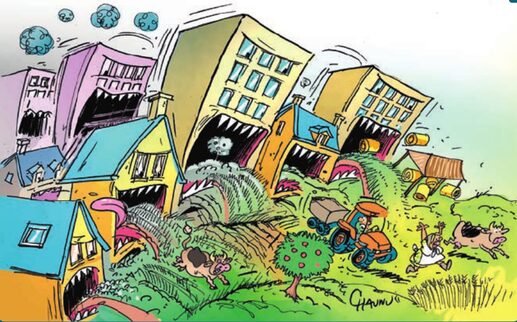
The city encroaching on natural spaces
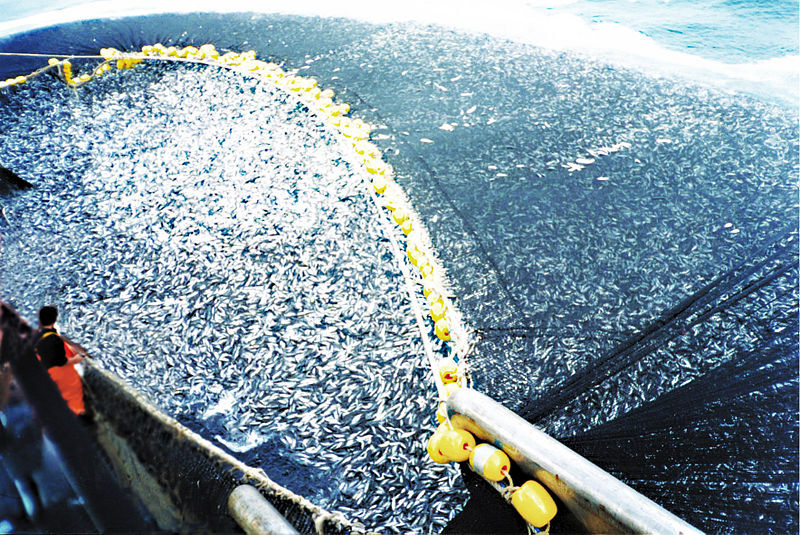
The overexploitation of resources (fishing, wood, sand, raw materials, etc.)
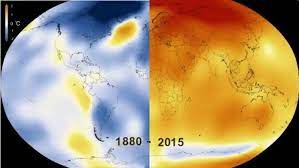
Climate change (+1.5°C global temperature increase compared to 1880)
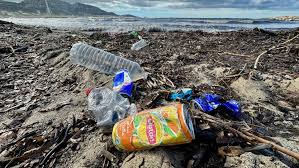
Pollution of water,
air and
soil
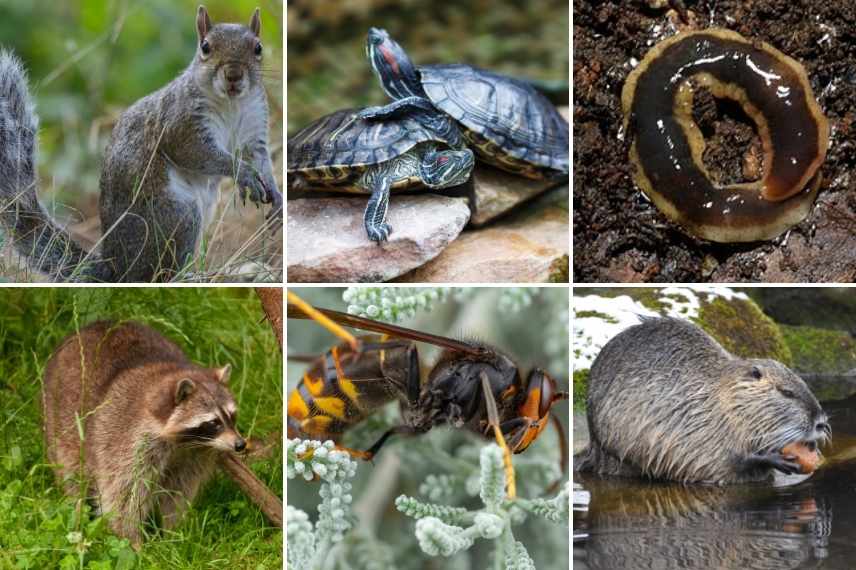
Invasive species
These five causes are interrelated. A systemic solution must therefore be considered!
Biodiversity fact: France is the sixth country hosting the largest number of known threatened species according to the IUCN Red List (INPN, 2018).
The University of Lorraine is committed to preserving biodiversity.
With its numerous campuses and extensive land holdings, Université de Lorraine possesses a rich natural heritage. It includes numerous green spaces and forests. As a key player in the Lorraine region, we must strive to set an example in the way we manage our outdoor spaces on our campuses and in the messages we send to our stakeholders.
Université de Lorraine’s initial aim is to gain a better understanding of the rich biodiversity that surrounds us so that we can better protect it and raise awareness of it among our entire university community. Work is therefore underway to identify the species present on key sites. Once this phase is complete, we will adopt appropriate management practices to enrich biodiversity on campus while raising awareness among the university community.
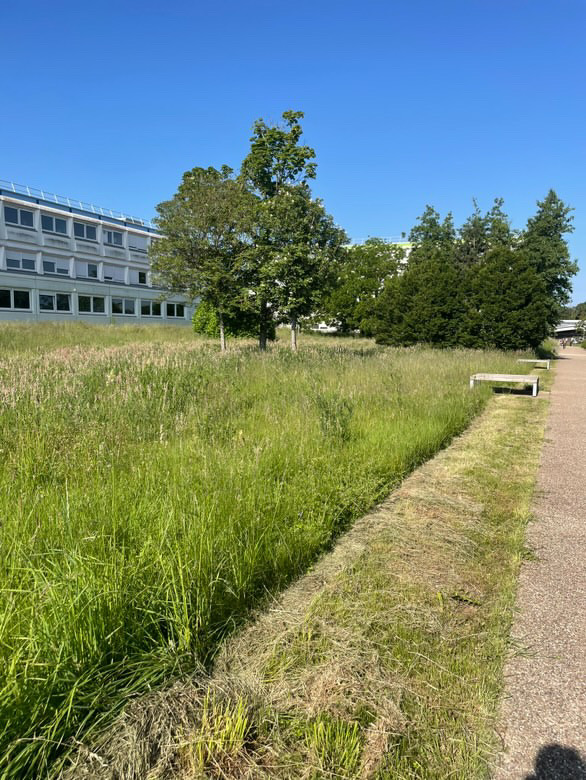
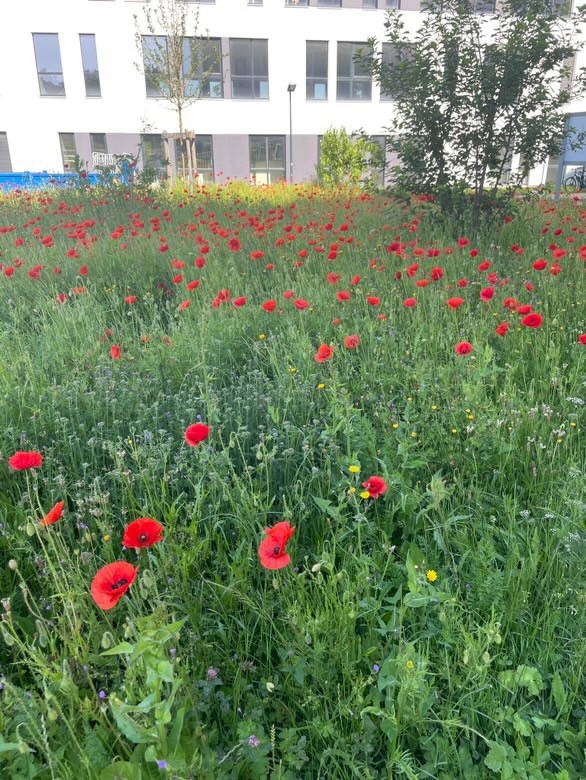
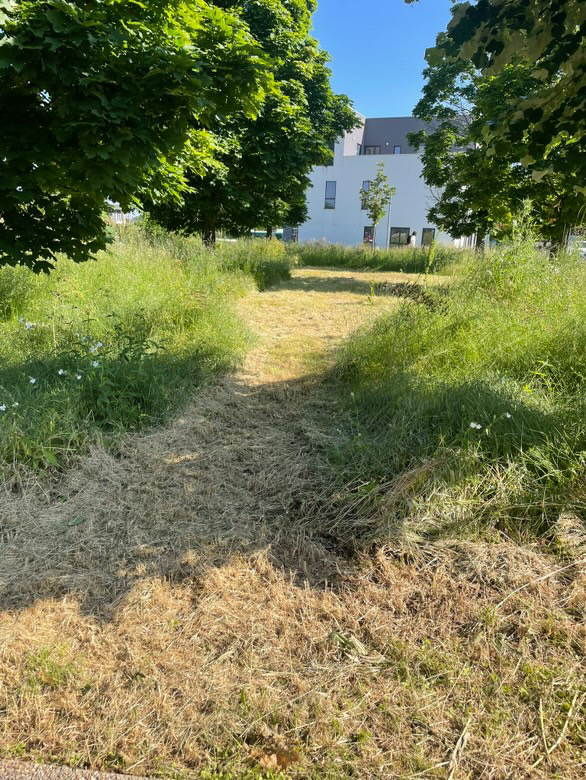
However, initiatives have already been undertaken, such as differentiated management of spaces, for example at the Brabois Santé site.