
The impact of waste
According to the French High Council for the Climate, 4% of greenhouse gas emissions in France come from waste management. There are two main reasons for this. First, the primary source of these emissions is the storage of waste in landfills, which release methane, a potent greenhouse gas. Second, when waste is not recycled, it is often used for energy recovery through incineration. While this process generates energy, it also produces greenhouse gases. Additionally, waste sorting requires transportation and energy, which also contributes to emissions. This does not even account for the impact of waste discarded into the environment, which harms ecosystems by polluting soil and water (rivers, groundwater, oceans, etc.).
What does this represent at Université de Lorraine?
In 2023, for the sites where we manage waste collection (Nancy and Metz metropolitan areas), it is estimated that the Université de Lorraine generated:
- 22,533,519 liters of waste of all types for a total cost of €478K in the Greater Nancy area.
- 267 tons, representing approximately 1.5 million liters of waste, for the Metz metropolitan area, 39.22% of which is recyclable.
In addition, waste from other off-site locations such as Thionville, Sarreguemines, and Épinal must be considered. Waste from laboratories and research units also contributes.”
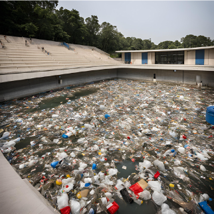
WEEE data in progress
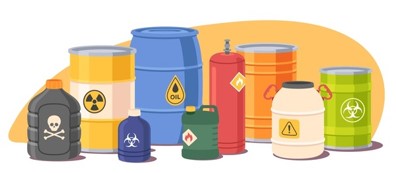
Chemical waste: 81,217 tonnes
(~equivalent to 10 Eiffel Towers)
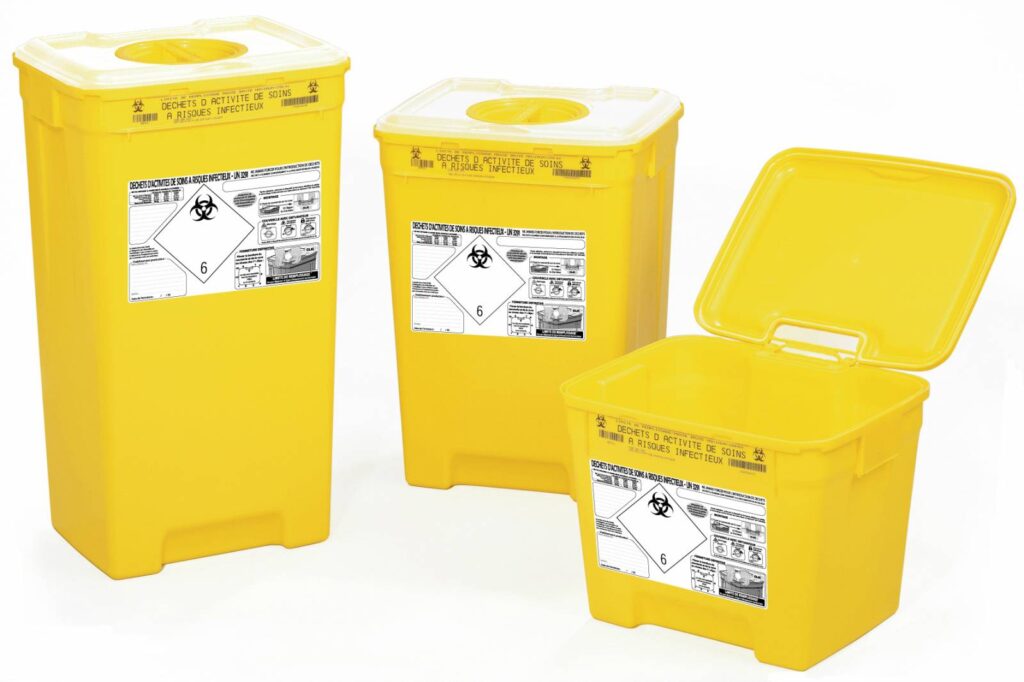
Hazardous biological waste: 12,010 litres and 30.8 tonnes (extrapolated from six months of data)
Université de Lorraine is committed to limiting its waste production
To reduce waste generation and management costs, the Internal Logistics Department (DLI) promotes better separation through numerous collection points university-wide.
These collection points are supported by an awareness campaign using posters, signage, and educational materials to encourage proper waste sorting. More than 3,000 sorting stations have been installed across the Université de Lorraine. To complement waste collection and comply with regulations, bio-bins have also been introduced and will continue to be deployed, as is currently the case on the administration campuses.
To limit waste creation at the source, the Université de Lorraine is committed to moving away from single-use products. In line with this goal, cups for water fountains and beverage dispensers are gradually being replaced with reusable cups and bottles. By 2024, it is estimated that this initiative on the three pilot sites will save approximately 1.3 million disposable cups.
Regarding waste generated by research activities, the Safety, Prevention, and Environment Department (DPSE) supports laboratory prevention assistants to optimize resource use and reduce the quantity of waste produced in these units. The DPSE also works to continuously improve the monitoring of hazardous waste to ensure more effective treatment.
Finally, more broadly, the Ecological Transition Mission contributes to waste prevention and reduction at the university through awareness-raising actions aimed at administrative services and the student community.